
Slurry pipeline monitoring
Continuous monitoring of pipeline wall thickness and wear rate.
Discuss your facility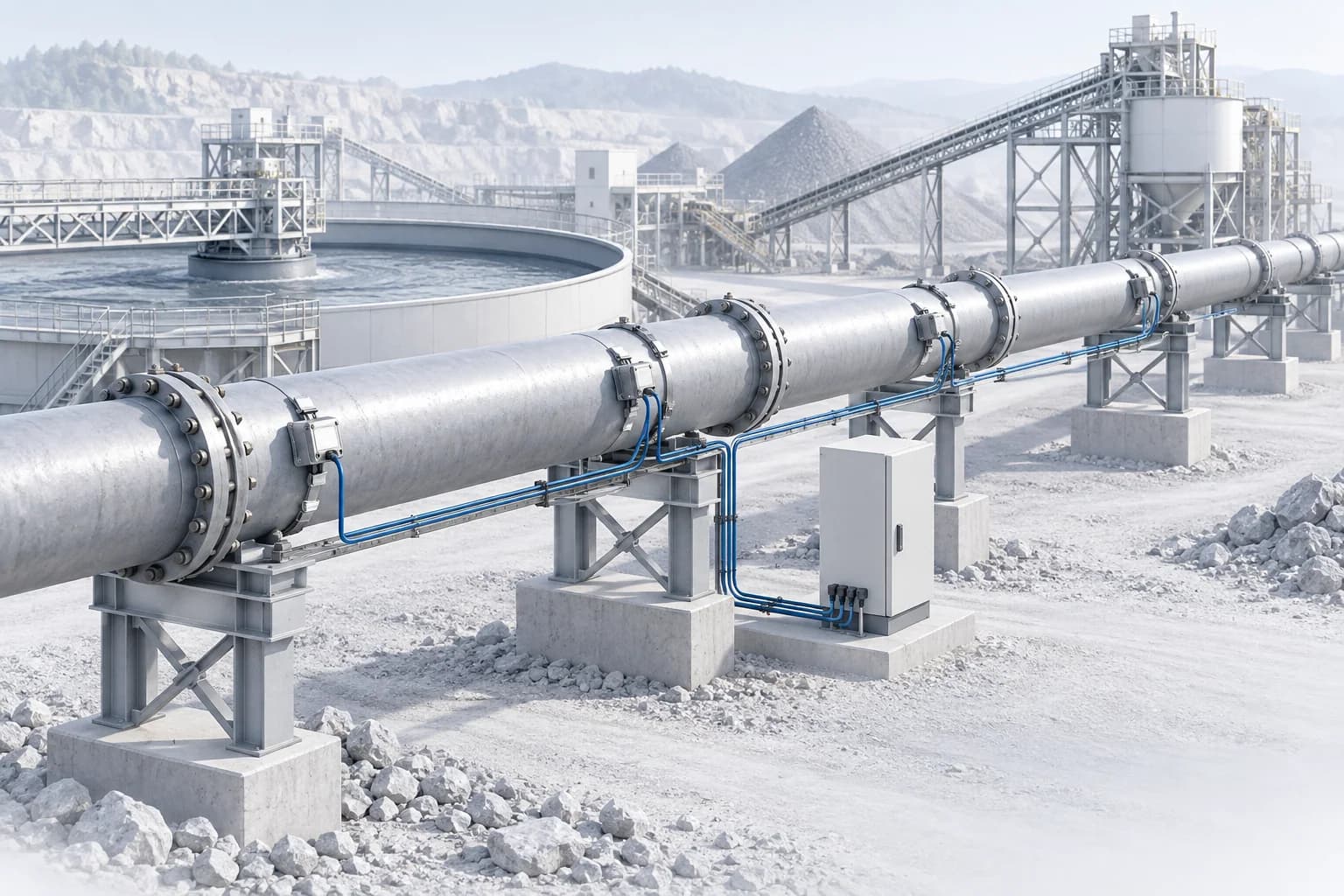
What we monitor
- Pipeline wall thickness
- Areas of accelerated wear
- Changes in condition during service
From on-site measurements to information for staff
Parameters and instrument selection depend on the structure, operating conditions, and existing systems.
On-site monitoring
We select measurement points and instruments for the changes being monitored.
Collection and transmission
We connect measurements to the shared system using the available communication and infrastructure.
Monitoring and events
We set up archives, change visualization, and alerts for responsible staff.
Purpose
The system tracks wear in slurry and tailings pipelines during operation. Regular wall-thickness measurements help identify sections with accelerated thinning and plan inspection or pipe replacement.
Monitored parameters
- Wall thickness of steel and polyethylene pipes
- Rate of wall thinning
- Sections with increased abrasive or corrosive wear
Monitored assets
- Slurry and tailings pipelines at mining sites
- Oil and gas trunk pipelines
- Pipelines at oil-refining facilities
Possible system components
The following families and instruments are examples. The final selection is defined by the project.
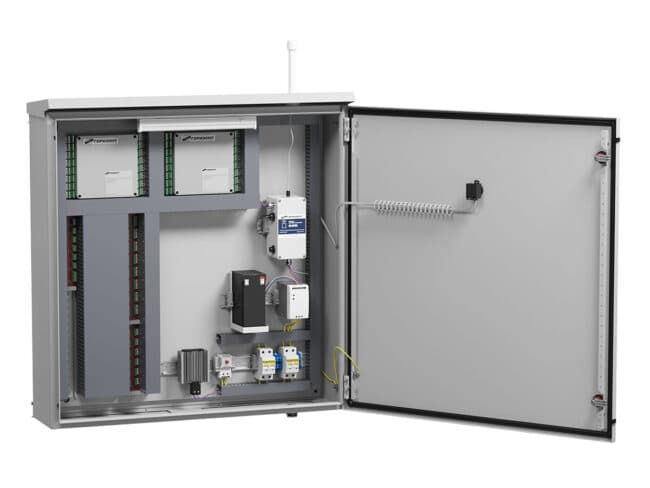 Data acquisition equipmentCB-A-LoRaWAN Analog sensor acquisition cabinetCollects analog sensor measurements, stores an archive, and sends data to the monitoring server. Supports vibrating-wire, potentiometric, and bridge sensors.
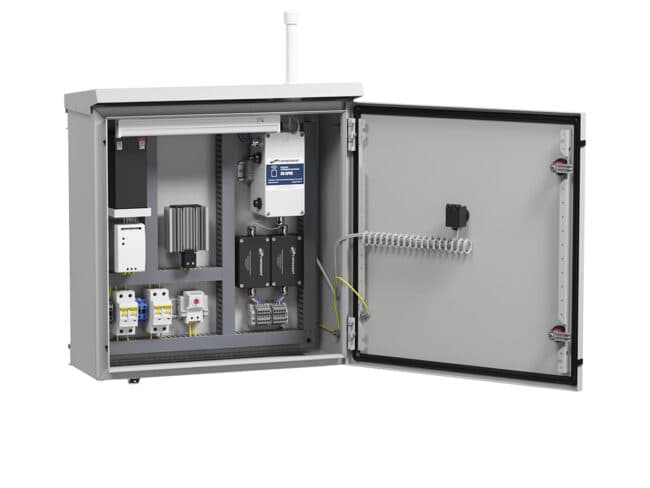 Data acquisition equipmentCB-D-LoRaWAN Digital sensor acquisition cabinetConnects RS-485 digital sensors to a LoRaWAN wireless network. Stores measurements locally and sends them to the monitoring server.
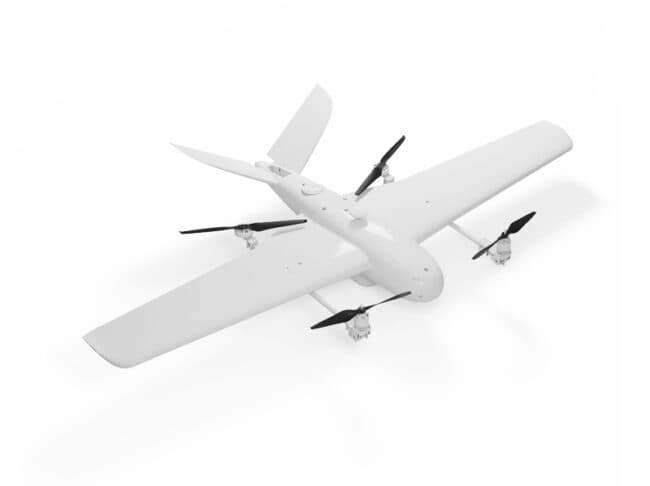 Data acquisition equipmentMBS-VTOL-LoRaWAN UAV data collection systemCollects stored measurements from CU-LoRaWAN loggers during UAV flights over a site. Uploads the archive to the server when cellular service is available.
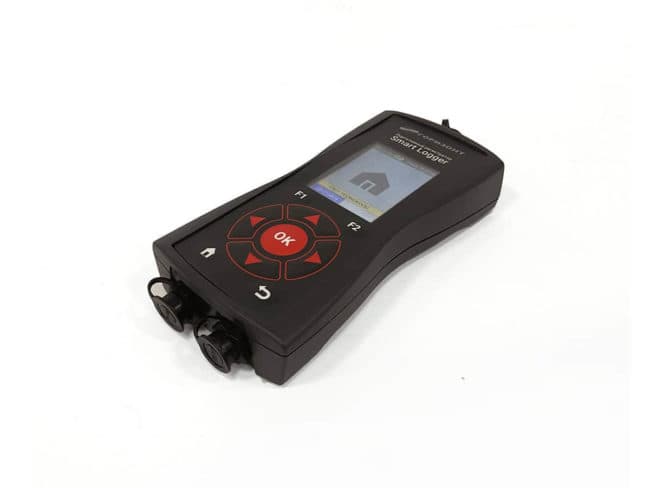 Data acquisition equipmentSmart Logger Portable data loggerPortable logger for reading sensors on site. Supported interfaces and signal types depend on the instrument version.
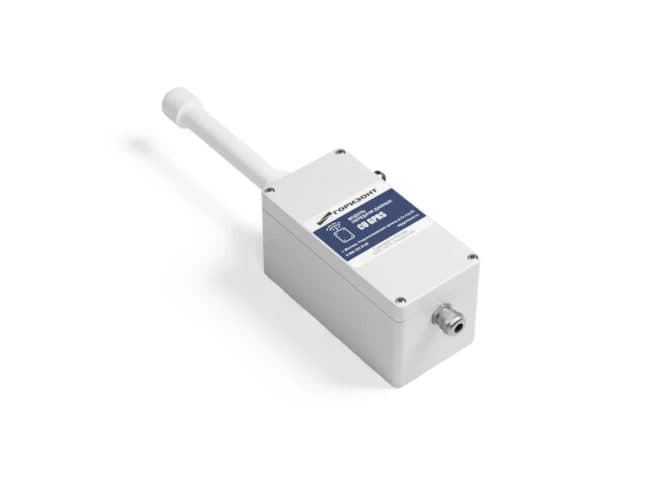 Data acquisition equipmentCU-GPRS Data acquisition and transmission modulePolls sensors, stores measurements, and sends them over GPRS cellular networks. The version is selected for the input signals and installation conditions.
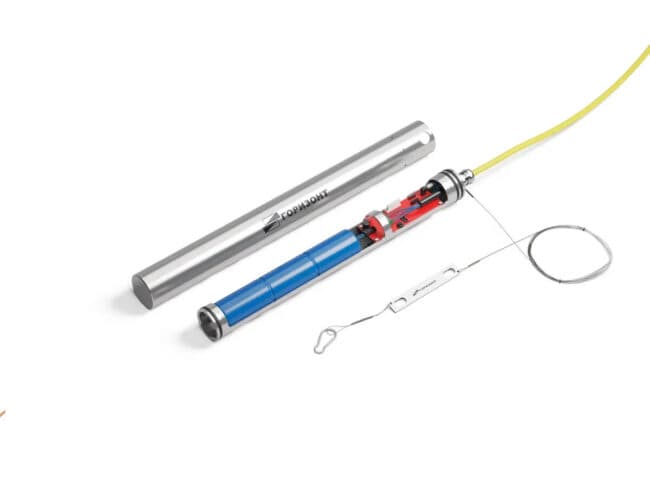 Data acquisition equipmentCU-NBIoT Data acquisition and transmission moduleCollects measurements and transmits them over NB-IoT. Versions support digital or vibrating-wire sensors and local archive storage.
Let’s discuss your task
Tell us about the facility, the current system, and what needs to change. We will clarify the details and suggest the next step.