
Geotechnical monitoring
Monitoring the ground mass and the effects of construction on surrounding structures.
Discuss your facility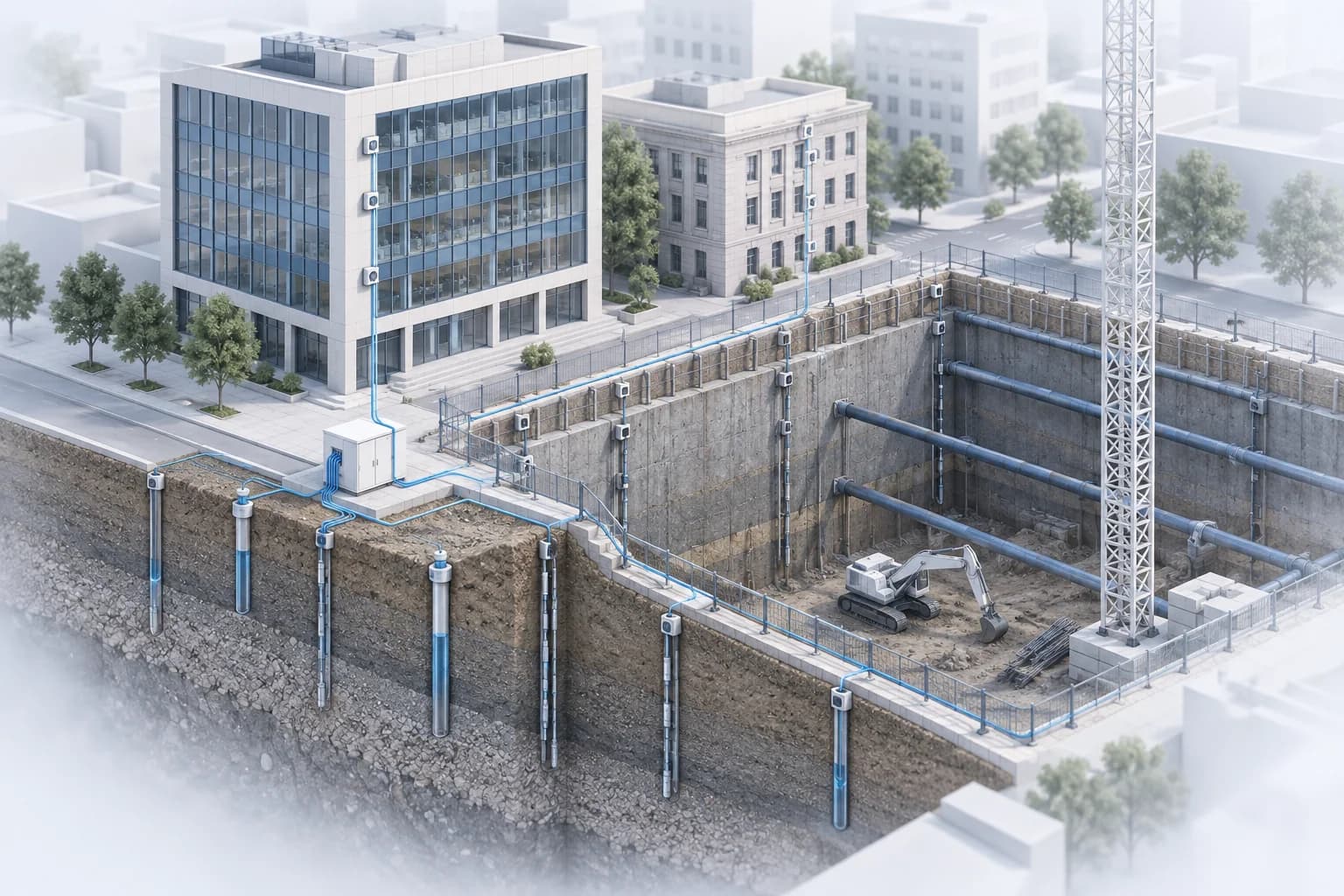
What we monitor
- Ground displacement
- Settlement of buildings near construction
- Groundwater level
From on-site measurements to information for staff
Parameters and instrument selection depend on the structure, operating conditions, and existing systems.
On-site monitoring
We select measurement points and instruments for the changes being monitored.
Collection and transmission
We connect measurements to the shared system using the available communication and infrastructure.
Monitoring and events
We set up archives, change visualization, and alerts for responsible staff.
Purpose
The system helps monitor construction safety and the condition of nearby structures. Continuous measurements of the ground, excavation and neighbouring buildings reveal settlement, movement and changes in structural forces in time for review.
Monitored parameters
- Foundation settlement and differential settlement of nearby buildings
- Tilt of buildings within the construction influence zone
- Stress beneath foundation bases
- Settlement of individual ground layers
- Stress below pile toes and along pile shafts
- Forces in ground anchors
- Stress in underground structures, including foundations, columns and slabs
- Groundwater level and pore-water pressure
- Horizontal movement at the top of excavation support
- Horizontal movement of excavation support along its height
- Stress in steel struts and anchor ties
- Ground temperature and frost penetration depth
- Groundwater level beyond the retaining structure
Monitored assets
- New construction projects
- Ground mass in the construction area
- Excavations and retaining structures
- Existing buildings and structures affected by construction
Possible system components
The following families and instruments are examples. The final selection is defined by the project.
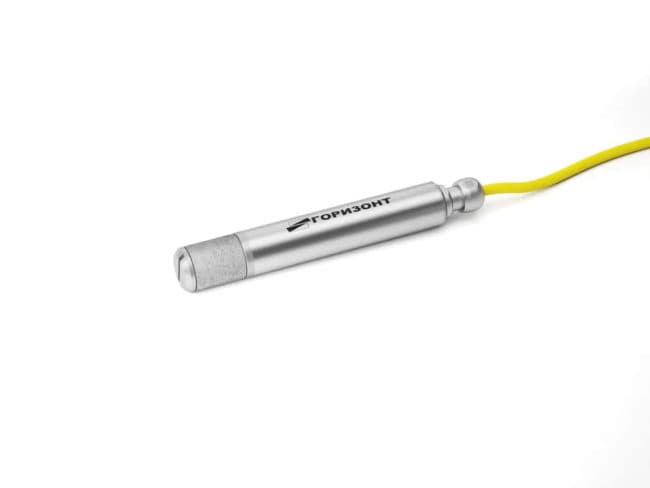 Level sensorsPLLG D01 Water level sensorMeasures groundwater levels in observation boreholes. Transmits readings over RS-485 for long-term monitoring of foundations, hydraulic facilities, and slopes.
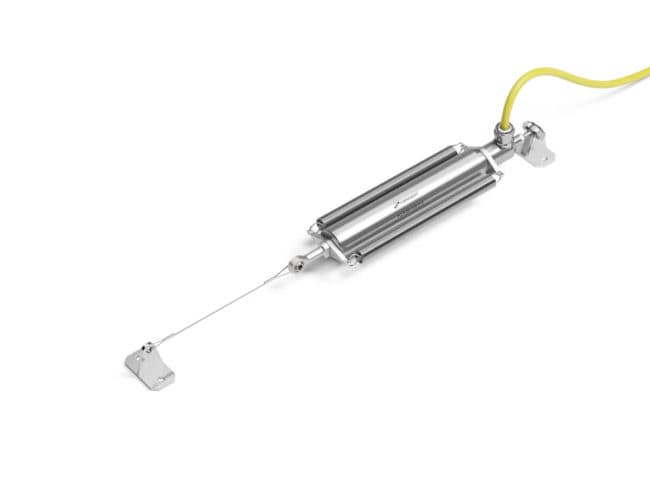 Ground extensometersEX-CMG Ground displacement sensorMeasures ground movement relative to a stable point. An Invar wire connects the sensor and anchor; changes in distance are recorded by the monitoring system.
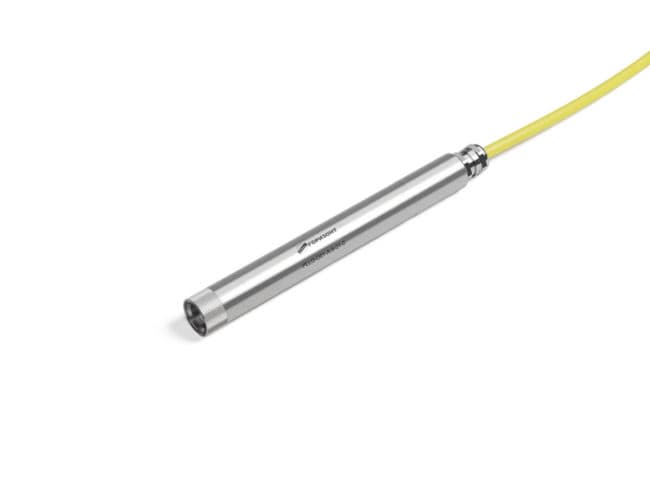 Level sensorsPLLG Pore pressure sensorMeasures water pressure between soil particles. Used to monitor seepage, ground foundations, dams, quarries, and landslide processes.
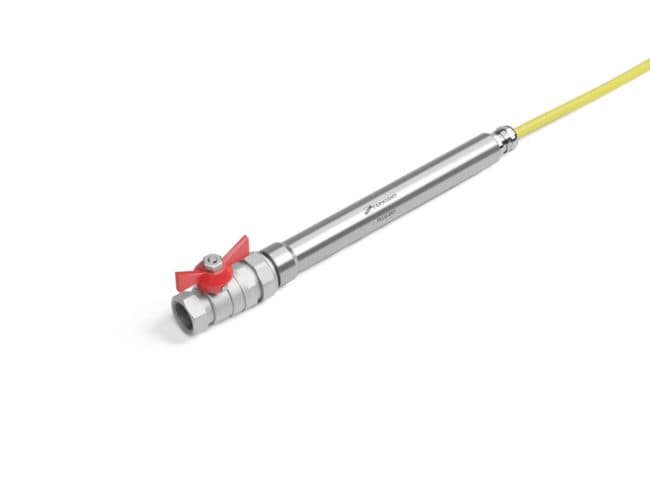 Level sensorsPLLG Pressure piezometerMeasures water pressure in pressurized boreholes, pipelines, and tanks. Can be incorporated into wired or wireless data acquisition systems.
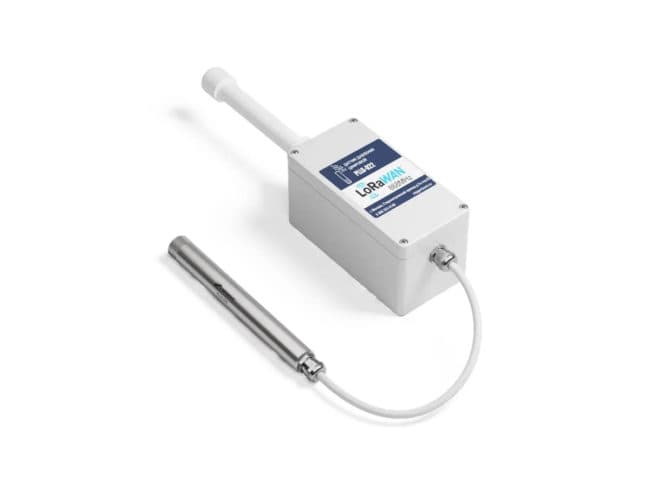 Level sensorsPLLG-D22 LoRaWAN piezometerBattery-powered piezometer with LoRaWAN measurement transmission. Monitors water level and pressure without a permanent cable connection to the server.
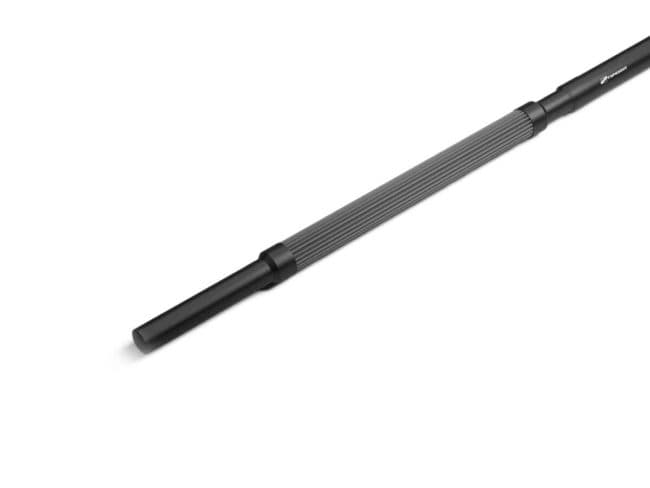 Level sensorsPHG Standpipe piezometerStandpipe piezometer for hydraulic structures. Its sectional design includes a riser pipe, filtered intake, and sump.
Let’s discuss your task
Tell us about the facility, the current system, and what needs to change. We will clarify the details and suggest the next step.